
Cape Town, a city known for its stunning views of Table Mountain, its vibrant culture, and its natural beauty, has become increasingly vulnerable to the devastating effects of wildfires. The combination of a hot, dry climate, strong winds, and human activity creates a volatile environment that makes the city susceptible to regular fires. In recent years, Cape Town has faced escalating wildfire crises, one of the most significant being the fires that have been devastating parts of Table Mountain.
In this article, we explore the causes, impacts, and the ongoing challenges of the Cape Town fires, particularly focusing on the fire on Table Mountain today, and what the future holds for the region as it battles these dangerous blazes.
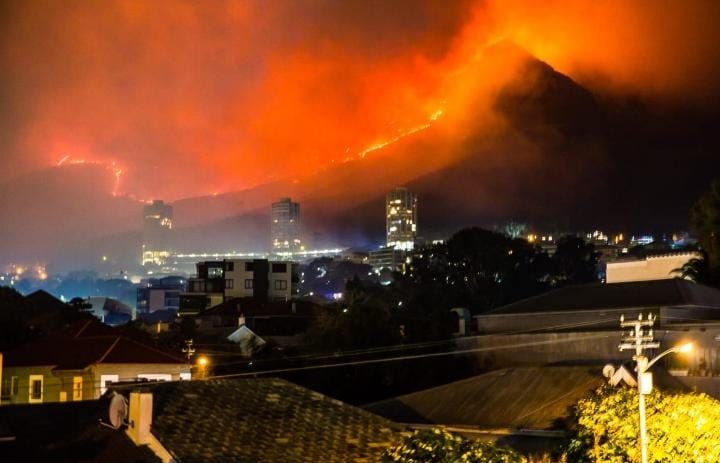
Table Mountain Fires: A Growing Concern
Table Mountain, one of the most iconic landmarks in South Africa, is no stranger to wildfires. The mountain and the surrounding areas are often affected by fires, especially during the hot summer months. The fire on Table Mountain today is just one of many incidents that have plagued the region. The latest fire has been wreaking havoc on the mountain’s slopes, spreading rapidly and threatening not only the natural landscape but also the safety of residents and tourists in the area.
The fire on Table Mountain began as a small flame but quickly grew in intensity due to strong winds, dry conditions, and the difficult terrain of the area. Despite efforts from the fire departments, the fire continues to rage, putting emergency services and local residents on high alert. Firefighters have been working tirelessly to control the fire, using both ground-based teams and aerial resources to fight the blaze. The extreme conditions have made it difficult to contain the fire, and it continues to threaten the City Bowl area of Cape Town, putting entire neighborhoods at risk.
As of now, over 100 firefighters, supported by aerial resources, are working around the clock to combat the flames and prevent the fire from spreading further. However, with no clear sign of containment, the situation remains tense and unpredictable. Authorities have yet to determine the exact cause of the fire, and investigations are underway.
The Impact of the Cape Town Fires on the Environment
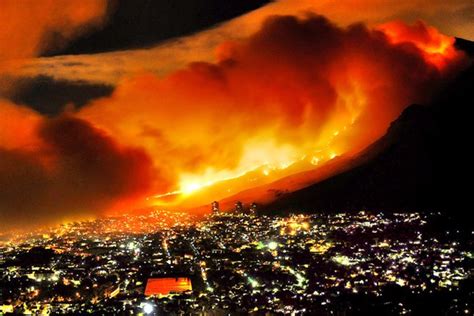
The environmental impact of these fires is devastating. Table Mountain is a UNESCO World Heritage Site, and it serves as a haven for various species of plants and animals. The fires that ravage this natural space not only destroy vegetation but also threaten the delicate balance of biodiversity in the area. In addition to this, the fires release large amounts of carbon dioxide into the atmosphere, exacerbating the global climate crisis.
Vegetation destruction also leads to soil erosion, which can have long-term consequences for the region. Without plants and trees to hold the soil in place, the risk of landslides increases, especially during heavy rainfall. These environmental factors combine to create a vicious cycle, where each fire event makes it harder for the ecosystem to recover, and the likelihood of more frequent and more severe fires increases.
Evacuations and Emergency Measures
As the Cape Town fires continue to spread, the authorities have been forced to evacuate several neighborhoods in the affected areas. In early February 2025, a fire in Newlands Forest could be seen from various parts of Cape Town, including Fresnaye and Rondebosch. Residents in these areas were advised to stay indoors and avoid breathing in the smoke, which posed a significant health risk. Firefighters have been working hard to prevent the fire from spreading to residential areas, but the danger remains high.
In some cases, local residents have had to evacuate their homes to ensure their safety. The fire’s proximity to Cape Town’s densely populated areas has raised alarm, with many people fearing the worst. The evacuation orders are a reminder of how vulnerable the region is to natural disasters, especially given the increasing frequency of these fires.
Local authorities and fire departments have put in place several measures to protect residents and minimize damage. These include firebreaks, which are cleared areas designed to stop the fire from spreading, as well as aerial water drops to slow the blaze. Despite these efforts, the fires continue to rage, underscoring the need for further preparedness and resources to combat future wildfires in the region.
Causes of the Cape Town Fires: A Complex Issue
The causes of the Cape Town fires are multifaceted, and addressing them requires a nuanced approach. One of the primary factors contributing to the fires is the region’s climate. Cape Town experiences a Mediterranean climate, with hot, dry summers and mild, wet winters. This climate creates ideal conditions for wildfires, especially during the summer months when vegetation is dry and highly flammable.
Strong winds also exacerbate the problem. Known as the “Cape Doctor,” a persistent southeast wind can quickly spread fires across large areas, making it difficult for firefighters to contain them. This combination of dry conditions and strong winds creates a perfect storm for wildfires, as was seen with the fire on Table Mountain today.
Human activity also plays a significant role in the occurrence of wildfires in Cape Town. In some cases, the fires are started intentionally, whether for land clearing or arson. In other instances, human negligence, such as improperly discarded cigarette butts or unattended campfires, can spark a blaze. The increasing population in Cape Town also means that more people are living in areas that are prone to wildfires, which further heightens the risks.
The fires in Cape Town have highlighted the importance of effective fire prevention and management strategies. Local governments and fire departments must continue to work together to develop strategies to prevent these fires, minimize their impact, and ensure the safety of residents and tourists alike.
Cape Town Fire History: A Recurring Crisis
The Cape Town fires are not a new phenomenon. Over the years, the region has experienced a number of significant wildfire events, many of which have had severe consequences for both people and the environment. In January 2025, fires near Pringle Bay and Betty’s Bay prompted evacuations and caused significant damage to the surrounding areas. These fires were fueled by the combination of hot, dry weather and strong coastal winds, which are common in the summer months. The fires were particularly destructive because of their rapid spread and the lack of sufficient firefighting resources to contain them.
The earlier incidents in 2024 also underscore the persistent nature of Cape Town’s wildfire crisis. The wildfires during this period damaged large swaths of land, forcing residents to evacuate their homes and causing disruptions to daily life. While firefighting efforts have improved over the years, the frequency and intensity of the fires continue to challenge authorities and emergency services.
These past events, combined with the current crisis on Table Mountain, highlight the growing need for more effective fire management strategies. As climate change continues to worsen, it is expected that the frequency and intensity of wildfires will increase in the coming years, making it even more crucial for Cape Town to prepare for these catastrophic events.
The Future of Cape Town and Its Fire Management Efforts
Given the ongoing nature of the Cape Town fires, it is essential that the city and its residents take steps to better prepare for future wildfire crises. Fire prevention, early warning systems, and more robust firefighting resources will be essential in the years to come. It is also crucial for residents to be educated about fire safety, particularly in high-risk areas.
The fires on Table Mountain today have once again brought attention to the need for urgent action. As the city looks to recover from the current crisis, it is vital that officials and residents work together to prevent future wildfires and protect the environment.
The Cape Town fire crisis is a stark reminder of the vulnerability of communities living in fire-prone areas, and the growing need for comprehensive strategies to tackle the growing threat of wildfires. Whether through improved fire management practices, better urban planning, or stronger emergency response capabilities, it is clear that Cape Town must take action to ensure the safety of its residents and the preservation of its natural beauty.
For more information about the ongoing Cape Town fires and Table Mountain fires, you can refer to the following sources:
- Cape Town Fires Spark Protection Debate
- Cape Town Fire: Wildfire Rages on Table Mountain
- Fire Visible from Town
- 2024 Western Cape Wildfires
Follow 2gr8tmedia for more scoops Blog – 2Gr8t Media